AI
持续中 · 1 次更新Fact 9/10苹果公布用于云端 AI 处理的 Private Cloud Compute 架构
文章语言
简体中文
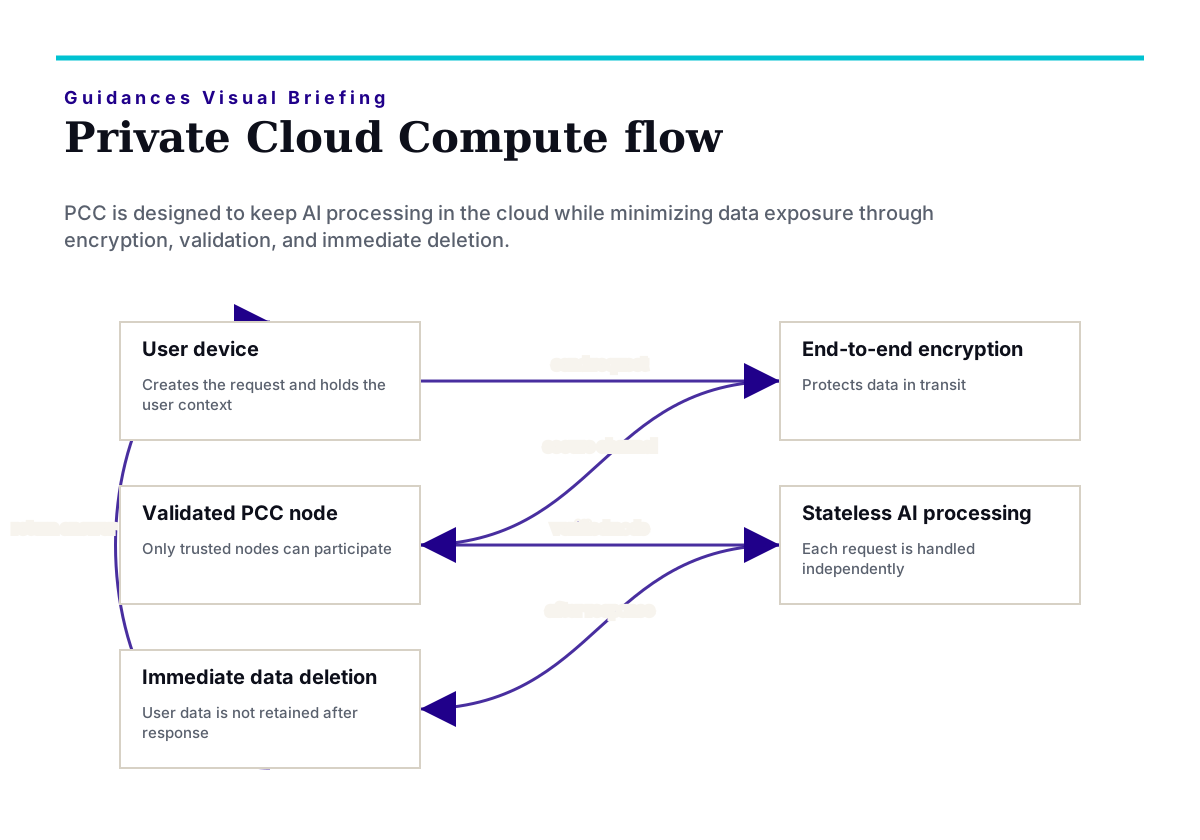
苹果于 2024 年推出 Private Cloud Compute(PCC)架构,提出了一种面向云端 AI 处理的隐私保护技术路径。该系统围绕无状态计算、响应交付后不保留用户数据,以及从用户设备到经验证 PCC 节点的端到端加密进行设计。
Open article · no sign-in required
来源与披露
The article provides a detailed, neutral, and well-sourced explanation of Apple's Private Cloud Compute architecture. Key factual claims about stateless computation, no data retention after response delivery, end-to-end encryption, and validated PCC nodes are directly supported by Apple's official security blog and documentation. The article maintains a neutral, informational tone throughout, describing technical capabilities and design principles without making disparaging claims, character judgments, or speculative accusations. The discussion of trade-offs (e.g., context maintenance challenges, feedback loop constraints) is balanced and technical. The article appropriately frames PCC as Apple's approach rather than making absolute claims about superiority. No reputation-safety issues detected. Minor deduction for length and complexity, but content quality and factual accuracy are strong.
Market lens
Agent runtime spending can spill into security, observability, and workflow infrastructure
The market signal is not another chatbot category; it is a possible budget shift toward the control layer around enterprise AI.
Impact path
Runtime spend → infra stack
Signals to watch
- Procurement language around audit logs and cost ceilings
- Security and observability vendors attaching agent controls
- Workflow platforms exposing approval and tool-call governance
Verification schedule
D+1 · Jun 15
Do buyers repeat audit/cost-control requirements?
D+3 · Jun 17
Do vendors publish runtime-control SKUs or partnerships?
D+7 · Jun 21
Do budgets move from pilots into operating infrastructure?
Informational context only — not investment, legal, tax, or financial advice.
苹果已正式公布其用于云端人工智能处理的 Private Cloud Compute(PCC)架构,在大语言模型和生成式 AI 服务快速普及的背景下,提出了一种面向用户隐私保护的技术路径。此次公告体现了苹果在云基础设施中执行 AI 计算的同时,维持用户数据机密性的做法。
根据苹果官方安全博客发布的 PCC 说明,该系统围绕三项核心设计原则构建。第一是无状态计算(stateless computation),即每次 AI 处理请求都独立执行,服务器端不保留前一次请求的上下文或数据。第二是不在响应交付后保留用户数据的原则,即 AI 模型生成响应并传输到用户设备后,所有相关数据会立即从云节点删除。第三是从用户设备到经验证 PCC 节点的端到端加密(end-to-end encryption),确保数据在整个传输过程中始终保持加密状态。
这一设计与现有云端 AI 服务形成了明确区分。大多数云端 AI 平台在中央服务器上处理用户请求,并且通常会保留一段时间的数据,以支持服务改进、模型训练或法律合规要求。相比之下,PCC 的设计是在云节点处理请求后立即丢弃所有用户数据,从而形成不同的数据处理模式。
经验证 PCC 节点的概念也值得关注。苹果似乎采用了一种方式,即只有满足特定安全和隐私标准的节点才会被纳入 PCC 网络,而不是仅仅在自有数据中心中执行 AI 计算。这表明,在建立加密连接之前,用户设备可以验证对端节点的可信度。此类验证流程有助于防范供应链攻击或节点插入尝试。
Private Cloud Compute 可以被理解为苹果在需要超出端侧 AI 处理能力的场景下维持隐私的一项战略选择。现代生成式 AI 模型拥有数十亿参数,而智能手机或平板电脑的硬件资源在执行复杂推理任务时存在限制。然而,一旦数据传输到云端,隐私考量就变得重要。PCC 似乎是应对这一挑战的技术尝试,其目标是在利用云计算能力的同时,确保用户数据不离开苹果的控制边界。
关于这一架构的实际实现方式,预计会包含在苹果的官方公告材料中。要实现无状态计算,需要为每次请求创建新的执行环境,或者在请求处理后对内存和存储进行完全初始化。实现端到端加密则需要在用户设备与 PCC 节点之间安全交换共享密钥,并防止数据在中间网络层被解密。经验证节点系统可能会采用基于硬件的证明(attestation)技术或安全启动(secure boot)机制。
从行业角度看,苹果的 PCC 公告为云端 AI 服务提供商建立了一个参考点。随着欧盟《通用数据保护条例》(GDPR)等监管环境持续强化,以及用户隐私意识不断提高,预计会出现更多以技术方式落实数据最小化和目的限制原则的案例。其他 AI 平台运营方也可能考虑类似的无状态处理方法或数据即时删除政策。
不过,这种方法也存在运营层面的约束。无状态计算的一个缺点是,从用户体验角度看,维持上下文较为困难。例如,在连续对话中引用前一轮问答时,所有上下文都必须每次从用户设备传输,这可能影响网络带宽和延迟。此外,不保留数据的政策使得建立用于模型改进或错误分析的反馈回路变得困难。苹果如何管理这些约束,并在用户体验与隐私保护之间取得平衡,将通过未来的服务运营逐步显现。
Private Cloud Compute 也可以被视为苹果硬件与软件一体化战略的延伸。苹果通过自研硅芯片和操作系统在设备层面强化了安全与隐私,如今似乎正在将这一原则扩展到云基础设施。这是一种只有运营垂直整合生态系统的公司才能实现的做法,其前提是具备在云服务提供方与 AI 模型开发方分离的环境中难以实现的控制水平。
PCC 架构还引发了关于可扩展性和成本结构的问题。与传统云服务相比,无状态计算和即时数据删除需要更频繁的资源分配与释放周期,可能增加基础设施开销。对可信节点的验证机制也会为云网络的部署和维护增加复杂性。苹果能否在维持所承诺隐私保障的同时,以经济方式大规模运营这一系统,将是决定这种方法成为行业参考点还是仅作为特定生态系统功能的重要因素。
此次公告也会影响围绕 AI 治理与透明度的更广泛讨论。通过设计一种即使服务提供方也无法保留或访问用户数据的系统,苹果表达了其对隐私保护型 AI 技术可行性的立场。这可能影响监管层面对 AI 处理个人数据时何为充分保护的讨论,以及技术措施是否能够替代或补充法律保障。
对于构建 AI 服务的开发者和运营者而言,PCC 模型既提供启发,也带来挑战。其启发在于,云规模的 AI 处理与强隐私保护并非互相排斥。其挑战则包括工程复杂性、潜在的性能权衡,以及实现类似保障所需的大规模基础设施投入。没有苹果那种垂直整合能力的组织,可能需要探索机密计算、安全飞地或联邦学习等替代方案,以实现相近的隐私结果。
构建者启示
- 设计云端 AI 服务的开发者可以研究如何将无状态计算模式和数据即时删除机制纳入架构,因为这些因素可能会成为监管合规和用户信任的重要组成部分。
- 将端到端加密应用于客户端-服务器 AI 工作流,需要在密钥管理、加密开销以及可验证节点认证系统建设方面投入资源,这可能提高基础设施复杂度。
- 以隐私为中心的 AI 架构会对模型训练数据收集和服务改进反馈回路形成约束,因此需要同时考虑合成数据生成、联邦学习或差分隐私技术等替代方法。
Want follow-up alerts? Subscribe by email after reading the public article.
Market lens
Agent runtime spending can spill into security, observability, and workflow infrastructure
The market signal is not another chatbot category; it is a possible budget shift toward the control layer around enterprise AI.
Impact path
Runtime spend → infra stack
Signals to watch
- Procurement language around audit logs and cost ceilings
- Security and observability vendors attaching agent controls
- Workflow platforms exposing approval and tool-call governance
Verification schedule
D+1 · Jun 15
Do buyers repeat audit/cost-control requirements?
D+3 · Jun 17
Do vendors publish runtime-control SKUs or partnerships?
D+7 · Jun 21
Do budgets move from pilots into operating infrastructure?
Informational context only — not investment, legal, tax, or financial advice.
视觉简报
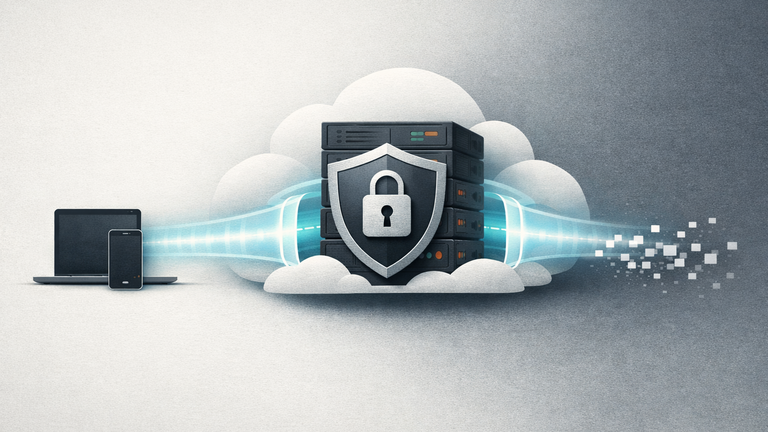
A simplified view of how Private Cloud Compute aims to combine cloud-scale AI with privacy protections.
更正与安全
See a factual, privacy, rights, or safety issue? Review the corrections process or contact Guidances before relying on this article for important decisions.