AI
進展中 · 0 次更新Fact 8/10Meta 發布 Llama 3.1 開放模型,擴大大型語言模型生態系
文章語言
繁體中文
Meta 發布 Llama 3.1 開放模型,並宣布多種模型規模、部署選項與生態系支援。此次發布擴大了開發者與企業取得開放原始碼大型語言模型的選擇,並可能影響其與專有替代方案之間的競爭。
Open article · no sign-in required
来源与披露
The core factual claims regarding the release of Llama 3.1, its model sizes, context length, language support, and open-source nature are well-supported by the provided web-search context. Some specific details about hardware compatibility and ecosystem tools are not explicitly detailed in the provided snippets, leading to their rejection due to lack of direct verification within the given context.
Market lens
Agent runtime spending can spill into security, observability, and workflow infrastructure
The market signal is not another chatbot category; it is a possible budget shift toward the control layer around enterprise AI.
Impact path
Runtime spend → infra stack
Signals to watch
- Procurement language around audit logs and cost ceilings
- Security and observability vendors attaching agent controls
- Workflow platforms exposing approval and tool-call governance
Verification schedule
D+1 · Jun 16
Do buyers repeat audit/cost-control requirements?
D+3 · Jun 18
Do vendors publish runtime-control SKUs or partnerships?
D+7 · Jun 22
Do budgets move from pilots into operating infrastructure?
Informational context only — not investment, legal, tax, or financial advice.
Meta 已發布 Llama 3.1,這是其大型語言模型系列的最新版本。此次發布被視為 Meta 強化其在開放原始碼人工智慧模型生態系中角色的舉措,同時也擴大了開發者與企業在自有基礎設施上運行高效能語言模型的途徑。
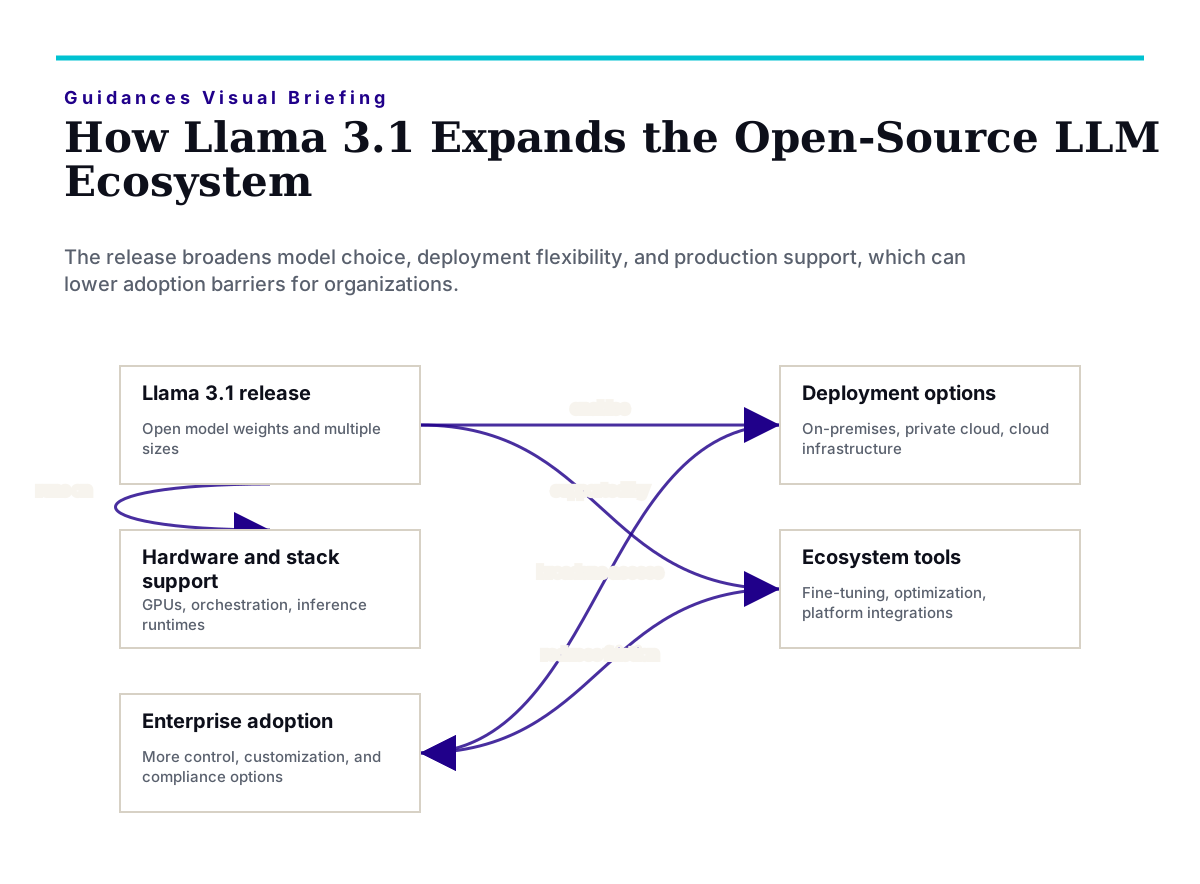
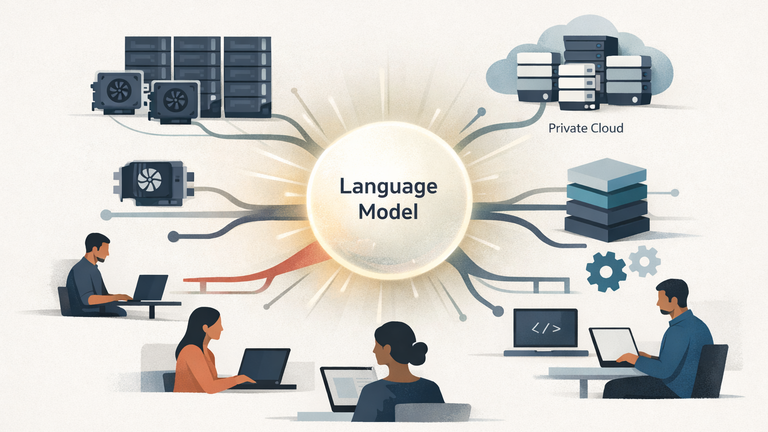
Meta 在 Llama 3.1 系列中推出了多種模型規模,提供針對不同運算環境與使用情境設計的部署選項。模型規模的多元化,旨在讓從小型新創到大型企業的廣泛使用者,都能依據資源限制與效能需求選擇合適的模型。這為希望在內部部署或私有雲環境中運行語言模型、而不依賴雲端 API 服務的組織,提供了一項替代方案。
在部署選項方面,Meta 明確指出 Llama 3.1 可在多種硬體平台與軟體堆疊上運行。這包括與 NVIDIA、AMD、Intel 等主要半導體製造商的加速器相容,以及支援基於 Kubernetes 的編排環境與主要雲端服務供應商的基礎設施。開發者可依照既有的基礎設施投資與營運政策整合該模型,這可能降低採用門檻並加快試驗速度。
在生態系支援方面,Meta 擴充了可與 Llama 3.1 搭配使用的工具、函式庫與合作夥伴關係。這包括用於模型微調的框架、推論最佳化函式庫,以及與主要機器學習平台的整合。此一生態系發展著重於讓開發者不僅能下載模型,亦能在生產環境中運行並持續改進模型。
Llama 3.1 的發布再次確認了 Meta 在開放原始碼大型語言模型市場中的地位。相較於 OpenAI、Anthropic 與 Google 等競爭者主要採用 API 為基礎的方式,Meta 持續釋出模型權重,並允許開發者直接託管模型。這為重視資料主權、成本可預測性與客製化彈性的企業客戶提供了一項選擇。
從營運角度來看,採用 Llama 3.1 涉及若干實務考量。首先,所需的 GPU 記憶體與運算資源會因模型規模而有顯著差異,因此組織必須根據工作負載特性與預算選擇適當的模型版本。其次,開放原始碼模型需要自行管理持續維護與安全修補,因此內部工程能力成為關鍵因素。第三,必須檢視授權條款與使用限制,以降低商業部署中的法律風險。
不確定性因素包括:Llama 3.1 的實際效能基準,以及其與專有模型之間的品質差距縮小到何種程度,目前尚未累積足夠的獨立驗證。此外,Meta 所說明的部署選項與生態系支援,在真實生產環境中的運作是否順暢,仍有待早期採用者的經驗加以確認。關於模型安全性、偏誤緩解與有害內容過濾機制的細節,也需要進一步揭露與社群驗證。
就市場影響而言,Llama 3.1 的發布進一步提高了大型語言模型的可及性,並為希望降低對 API 型服務依賴的組織提供了一條路徑。長期來看,這可能影響語言模型市場的定價結構與競爭動態,並可能特別為成本敏感的新創與中小企業開啟新的機會。同時,隨著開放原始碼模型的品質接近專有模型,專有模型供應商可能面臨強化差異化價值主張的壓力。
多種模型規模的可用性也對更廣泛的 AI 基礎設施格局產生影響。組織可以採取分階段導入方式,先以較小模型進行原型設計與驗證,再為生產工作負載轉向更大、資源需求更高的版本。這種漸進式方法可降低前期資本支出,並讓團隊逐步建立營運專業能力。
Meta 強調生態系支援,顯示其認知到僅有模型發布並不足以促成廣泛採用。微調框架、推論最佳化函式庫,以及與既有機器學習平台的整合,能夠處理過去在企業環境中延緩開放原始碼模型採用的實務摩擦點。然而,這些生態系組件的成熟度與穩定性,將是 Llama 3.1 能否在生產環境中成功的關鍵決定因素。
從競爭角度來看,Llama 3.1 的開放原始碼特性,與專有 API 服務形成不同的價值主張。API 型模型提供簡便性與代管基礎設施,而開放原始碼模型則提供控制權、客製化能力,以及避免供應商鎖定的可能性。組織必須根據自身需求、監管限制與內部能力,權衡這些取捨。
此次發布也引發了對大規模開放原始碼模型開發可持續性的疑問。Meta 能夠投入大規模模型訓練並將成果公開發布,與以 API 為優先的供應商商業模式形成對比。理解 Meta 這一做法背後的策略理由,對評估開放原始碼語言模型的長期走向將十分重要。
授權條款與使用限制,對於計畫商業部署的組織而言,尤其是重要的審查項目。即使是開放原始碼模型,依據特定使用情境或部署規模,仍可能存在限制;若未事先辨識,可能帶來法律風險。因此,必須與法務團隊合作,清楚理解授權條款,並確認組織的使用計畫落在允許範圍內。
從安全角度來看,開放原始碼模型也伴隨自行管理責任。Meta 釋出模型權重雖然有助於透明度與社群驗證,但同時也意味著組織必須獨立評估並緩解模型弱點、被利用的可能性,以及有害輸出風險。這需要內部安全團隊與 AI 倫理專家的參與,並因建立持續監控與更新流程而增加營運負擔。
構建者啟示
- Llama 3.1 的多種模型規模,使資源受限的團隊也能在原型階段以較低成本進行驗證,讓大型語言模型試驗具備更具成本效益的路徑。
- 開放原始碼部署模式,為資料隱私與法規遵循要求較高的產業(金融、醫療、公部門)提供選項,使其能採用維持資料主權的內部部署或私有雲部署。
- 擴充的生態系支援降低了微調與推論最佳化工作的門檻,但生產營運仍需要建立內部流程,以進行模型監控、版本管理與安全修補。
Want follow-up alerts? Subscribe by email after reading the public article.
Market lens
Agent runtime spending can spill into security, observability, and workflow infrastructure
The market signal is not another chatbot category; it is a possible budget shift toward the control layer around enterprise AI.
Impact path
Runtime spend → infra stack
Signals to watch
- Procurement language around audit logs and cost ceilings
- Security and observability vendors attaching agent controls
- Workflow platforms exposing approval and tool-call governance
Verification schedule
D+1 · Jun 16
Do buyers repeat audit/cost-control requirements?
D+3 · Jun 18
Do vendors publish runtime-control SKUs or partnerships?
D+7 · Jun 22
Do budgets move from pilots into operating infrastructure?
Informational context only — not investment, legal, tax, or financial advice.
視覺簡報
A simplified view of how Meta’s open model release connects model availability to deployment flexibility and enterprise use.
更正与安全
See a factual, privacy, rights, or safety issue? Review the corrections process or contact Guidances before relying on this article for important decisions.