What Happened
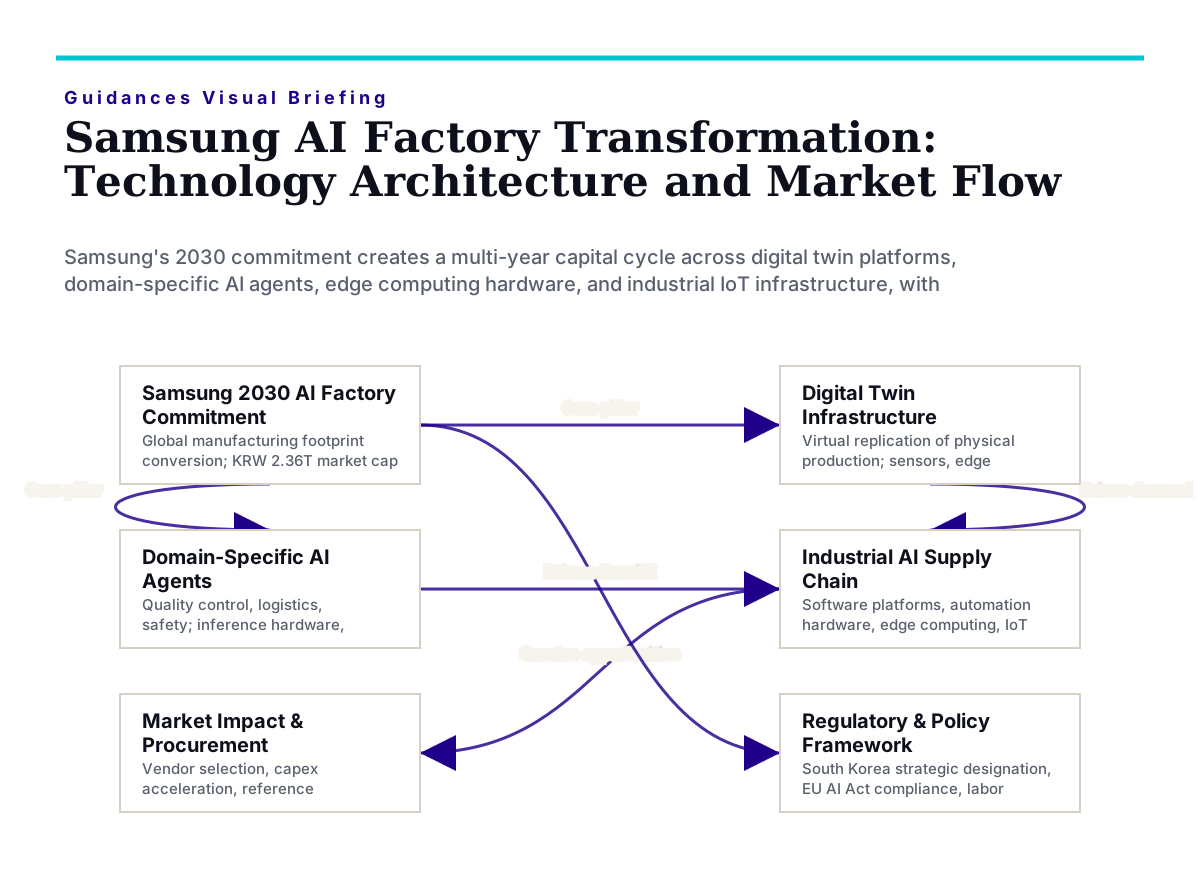
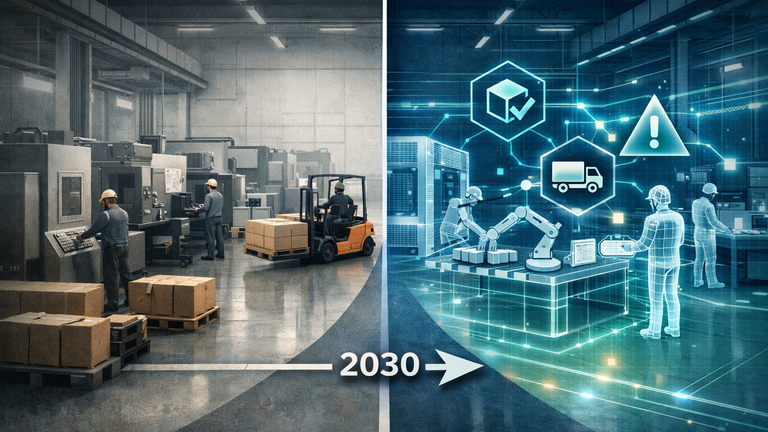
Samsung Electronics has released an official announcement describing its intention to convert every one of its global manufacturing operations into AI-native facilities by 2030. The company's stated approach rests on three structural pillars: digital twin simulations that construct virtual replicas of physical production environments, domain-specific AI agents assigned to discrete operational functions, and a broad expansion of AI integration covering quality control, production logistics, and workplace safety systems.
The geographic and operational scope of this commitment is substantial. Samsung maintains manufacturing facilities across South Korea, Vietnam, China, India, and additional markets, producing semiconductors, display panels, consumer electronics, and home appliances at industrial scale. Transitioning that entire footprint to AI-native operations within approximately four years places this announcement among the larger manufacturing transformation programs publicly declared by a major technology company.
The announcement was made through Samsung's official global newsroom, and the source for this analysis is a search-provider snippet of that press release. The full text — including specific investment figures, facility-level timelines, and named technology partners — is not available in the provided metadata. Readers should consult Samsung's official investor relations materials and the original press release for complete details.
Why the Market Cares
Samsung Electronics carries a market capitalization of KRW 2364.51T, positioning it as one of the largest publicly traded companies in Asia and a reference point for the global technology hardware sector. When a company of that scale makes a multi-year strategic commitment to AI-native manufacturing, the announcement can be read as a directional indicator for industrial capital expenditure across the semiconductor and electronics manufacturing ecosystem.
The choice to anchor the strategy around digital twins and AI agents reflects a broader industry transition that is already underway. Digital twin technology requires sustained investment in sensors, edge computing hardware, data infrastructure, and simulation software. AI agents operating in quality control and logistics require inference-capable hardware, real-time data pipelines, and integration with existing manufacturing execution systems. Each of these requirements connects to multiple technology sub-sectors, and a commitment from Samsung at this scale may influence procurement discussions across the industrial AI supply chain.
For the semiconductor industry, the implications carry an additional layer of complexity. Samsung is simultaneously a chip manufacturer and a significant chip consumer. Its own fabrication plants — including those producing advanced logic and memory — are among the highest-complexity environments in its manufacturing portfolio and may be early targets for AI-driven transformation. The relationship between Samsung's factory strategy and its semiconductor product roadmap is therefore an important area to watch.
Technology and Policy Linkage
Deploying AI agents in large-scale manufacturing environments raises technology governance questions that are increasingly relevant to regulators and policymakers. In South Korea, where Samsung's most advanced facilities are concentrated, industrial AI adoption intersects with labor policy, data management, and national competitiveness strategy. Samsung's announcement aligns with those policy themes and may become part of future discussions around co-investment or regulatory support.
Digital twin infrastructure generates continuous, high-volume streams of operational data. How that data is stored, processed, and protected — particularly across Samsung's cross-border manufacturing network — will be a consideration as the strategy moves from announcement to implementation. Regulatory frameworks governing AI in industrial settings remain in active development across major jurisdictions, including the European Union, where Samsung maintains a commercial and operational presence.
The decision to deploy specialized AI agents rather than general-purpose models also has policy relevance. Domain-specific agents are generally more amenable to audit, governance, and safety certification than broad-purpose systems. In safety-critical manufacturing contexts, this architectural choice may support operational oversight and compliance planning. It may also serve as a reference design for other manufacturers navigating similar environments.
Workforce transition is a further dimension. Large-scale automation programs of this type typically require retraining programs, changes to labor agreements, and engagement with national employment policy frameworks. Samsung has not disclosed workforce transition details in the available source material, but this dimension will be relevant as the strategy is implemented across jurisdictions with varying labor regulations.
Market Lens
Trigger: Samsung Electronics' official announcement of a comprehensive AI-driven factory strategy, targeting full implementation across its global manufacturing footprint by 2030.
Mechanism: A strategic commitment of this scope from a major manufacturer connects to AI infrastructure, industrial automation hardware, simulation software, and edge computing systems. Suppliers of these components and platforms may see increased procurement activity if the strategy proceeds as announced. Samsung's internal semiconductor division may also serve as both an implementer and a supplier of AI inference chips used within factory systems.
Affected Sectors: Industrial automation, edge computing hardware, AI software platforms, semiconductor capital equipment, and industrial IoT sensor manufacturers are the sectors most directly connected to this announcement. The digital twin segment is also relevant given the centrality of virtual environment modeling to Samsung's stated approach.
Time Horizon: The 2030 target implies a multi-year implementation cycle. Near-term vendor selections and procurement decisions may emerge over the next twelve to twenty-four months as the program moves from strategic announcement to implementation planning. The earliest facility-level deployments will be useful signals about the program's pace and technology architecture.
Next Check: Samsung's next earnings cycle and any accompanying capital expenditure guidance are important near-term data points for assessing the financial scale of this commitment. The next earnings revenue estimate for Samsung Electronics stands at KRW 47.5M per available market data context, and any revision to capex guidance specifically referencing the AI factory program would be a notable signal for the industrial AI supply chain. Official Samsung IR disclosures, supplier partnership announcements, and South Korean government smart manufacturing programs should also be monitored.
Unverified link: The precise capital allocation for the AI factory program has not been disclosed in the available source snippet. The market read-through described above is directional and grounded in the strategic announcement alone. This analysis is market context only and does not constitute investment advice.
What to Watch Next
Several developments over the coming quarters will clarify the commercial significance of this announcement. Samsung's formal capital expenditure disclosures may indicate how much of the company's investment budget is being directed toward AI factory infrastructure versus conventional manufacturing upgrades. Vendor and partnership announcements — particularly with industrial AI software providers, digital twin platform developers, and edge computing hardware suppliers — may reveal the supply chain architecture Samsung intends to build.
The pace of implementation at specific facilities will also matter. Samsung's semiconductor fabrication plants in South Korea represent some of the most complex environments in its manufacturing portfolio. Early deployment signals at those sites would likely carry more strategic weight than initial rollouts at consumer electronics assembly facilities in lower-complexity environments.
Competitive responses from peers including SK Hynix, TSMC, and Intel will help indicate whether Samsung's announcement contributes to an industry-wide shift toward AI-native manufacturing or remains a differentiated strategic position. The semiconductor manufacturing sector has historically moved in coordinated waves on major technology transitions, and a public commitment of this visibility may influence timelines across the industry.
Finally, regulatory developments in South Korea and the European Union regarding AI governance in industrial settings will shape the compliance architecture Samsung must build alongside its technical infrastructure. Policy milestones in these jurisdictions are worth tracking in parallel with Samsung's own implementation disclosures.
Uncertainty and Constraints
The source for this analysis is an official Samsung press release as captured in a search-provider snippet. Specific investment figures, facility-level timelines, technology partner disclosures, and implementation milestones are not available in the provided metadata. The analysis above is grounded in the strategic announcement and publicly available company context; it does not extend to claims not supported by the source.
The 2030 target is ambitious by any measure. Large-scale manufacturing transformation programs of this complexity can encounter integration challenges, workforce transition requirements, and technology readiness constraints that affect timelines. The announcement represents strategic intent, not a guaranteed operational outcome, and the gap between declared ambition and realized implementation is a material uncertainty that readers should weigh.